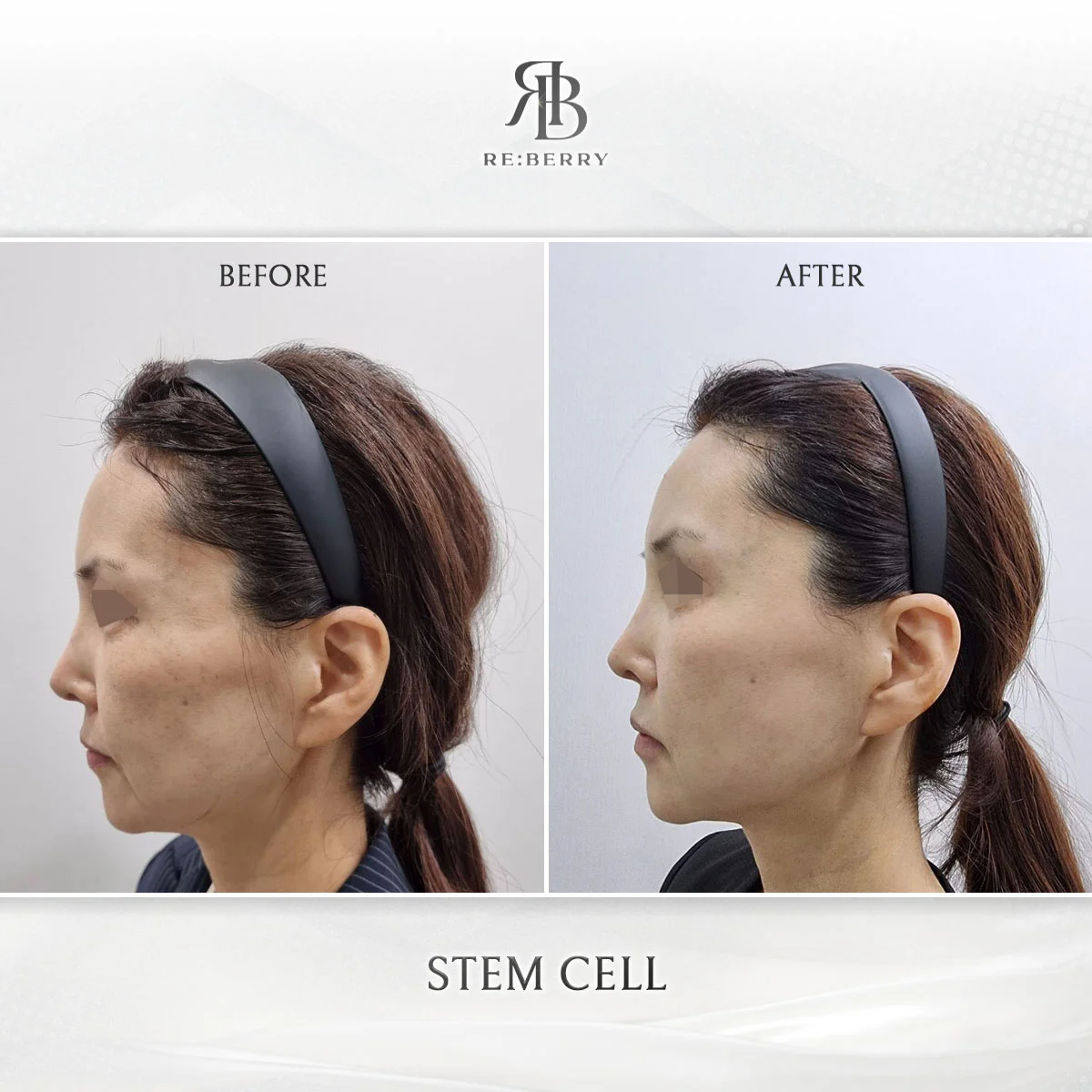
What Aesthetic Stem Cell Therapy Actually Involves
The term stem cell therapy in aesthetic medicine causes significant confusion because it encompasses several distinct procedures. Most aesthetic stem cell treatments in Korea use autologous blood therapy, which extracts concentrated platelets and growth factors from the patient's own blood rather than implanting actual stem cells. Eternal Booster technology and exosome preparations represent the latest generation of regenerative injectables that harness cellular signaling without involving embryonic or donor stem cells.
This distinction matters because marketing language often blurs the line between laboratory-grade stem cell research and commercially available aesthetic procedures. Understanding what you receive during treatment eliminates unrealistic expectations and allows informed decision-making. Park SY et al. Dermatol Surg. 2021;47(3):371-378. doi:10.1097/dss.0000000000002873
Myth 1: Stem Cell Results Are Permanent
Autologous blood therapy and growth factor treatments produce measurable improvements in skin elasticity, hydration, and collagen density that last 12-24 months. However, these results are not permanent. The regenerative cascade initiated by treatment peaks at 3-6 months and gradually diminishes as natural aging processes continue. Maintenance sessions every 12-18 months sustain the benefits, with each subsequent treatment building on residual collagen improvements from previous cycles.
What the Evidence Shows
A 2022 clinical review analyzing 14 controlled trials found that platelet-rich plasma treatments improved skin quality scores by 60-70% at the 12-week mark compared to baseline, but these gains decreased to 35-40% improvement by month 18 without retreatment. The biological reality is that growth factor stimulation accelerates collagen production temporarily rather than permanently altering the aging trajectory.
Myth 2: Stem Cell Therapy Looks Unnatural
Unlike volumizing fillers that physically add material beneath the skin, regenerative treatments work by stimulating the body's own repair mechanisms. The resulting improvements in skin texture, firmness, and radiance develop gradually over 4-8 weeks and appear entirely natural because they represent actual tissue regeneration rather than synthetic augmentation. There is no risk of an overfilled or frozen appearance because no foreign substance creates artificial volume.
Patient satisfaction surveys consistently report that 85-90% of recipients describe their results as natural-looking improvement rather than an obviously treated appearance. The gradual onset means even close contacts often attribute the changes to improved health or rest rather than a specific cosmetic procedure.
Myth 3: Only Older Patients Need Stem Cell Therapy
Regenerative treatments benefit patients across a wide age range, from late 20s through 60s and beyond. Patients aged 28-35 with early photoaging, environmental damage, or acne scarring respond well to exosome and growth factor protocols because their baseline cellular repair capacity remains high. The growth factors amplify existing regenerative ability rather than replacing lost function.
For patients over 50, autologous blood therapy addresses more advanced concerns including dermal thinning, loss of skin turgor, and decreased healing capacity. The treatment protocol adjusts accordingly: younger patients may need 2 sessions spaced 4 weeks apart, while older patients typically require 3-4 sessions with Eternal Booster supplementation to achieve comparable collagen stimulation results.
Myth 4: Stem Cell Can Replace Surgery
Regenerative treatments excel at improving skin quality, texture, and mild laxity but cannot replicate surgical outcomes for moderate to severe sagging. A facelift physically repositions descended tissue and removes excess skin, addressing structural displacement that no injectable treatment can correct. Stem cell therapy serves as a complement to surgical procedures rather than a replacement, enhancing healing and skin quality when administered 4-6 weeks post-operatively.
Honest assessment of treatment limitations protects patients from disappointment. Candidates with Fitzpatrick laxity grades 1-2 are appropriate for standalone regenerative protocols, while grades 3-4 benefit most from surgical intervention with regenerative therapy as an adjunct. Lee KS et al. Aesthetic Plast Surg. 2023;47(2):683-691. doi:10.1007/s00266-022-03152-z
Myth 5: Cheaper Treatments Deliver Identical Results
Price differences in stem cell therapy reflect real variations in preparation quality, concentration, and technology. Autologous blood therapy outcomes depend directly on the centrifuge system used, spin protocols, and platelet concentration achieved. Premium systems concentrate platelets to 5-8 times baseline levels, while budget alternatives may achieve only 2-3 times concentration, directly affecting the volume of growth factors delivered to tissue.
Exosome quality similarly varies by sourcing method, purification standards, and particle count per milliliter. Products containing 10 billion or more exosomes per dose deliver measurably different signaling intensity compared to lower-concentration alternatives. The treatment environment, practitioner expertise, and post-procedure protocols also contribute to outcome variation between clinics offering nominally similar services.